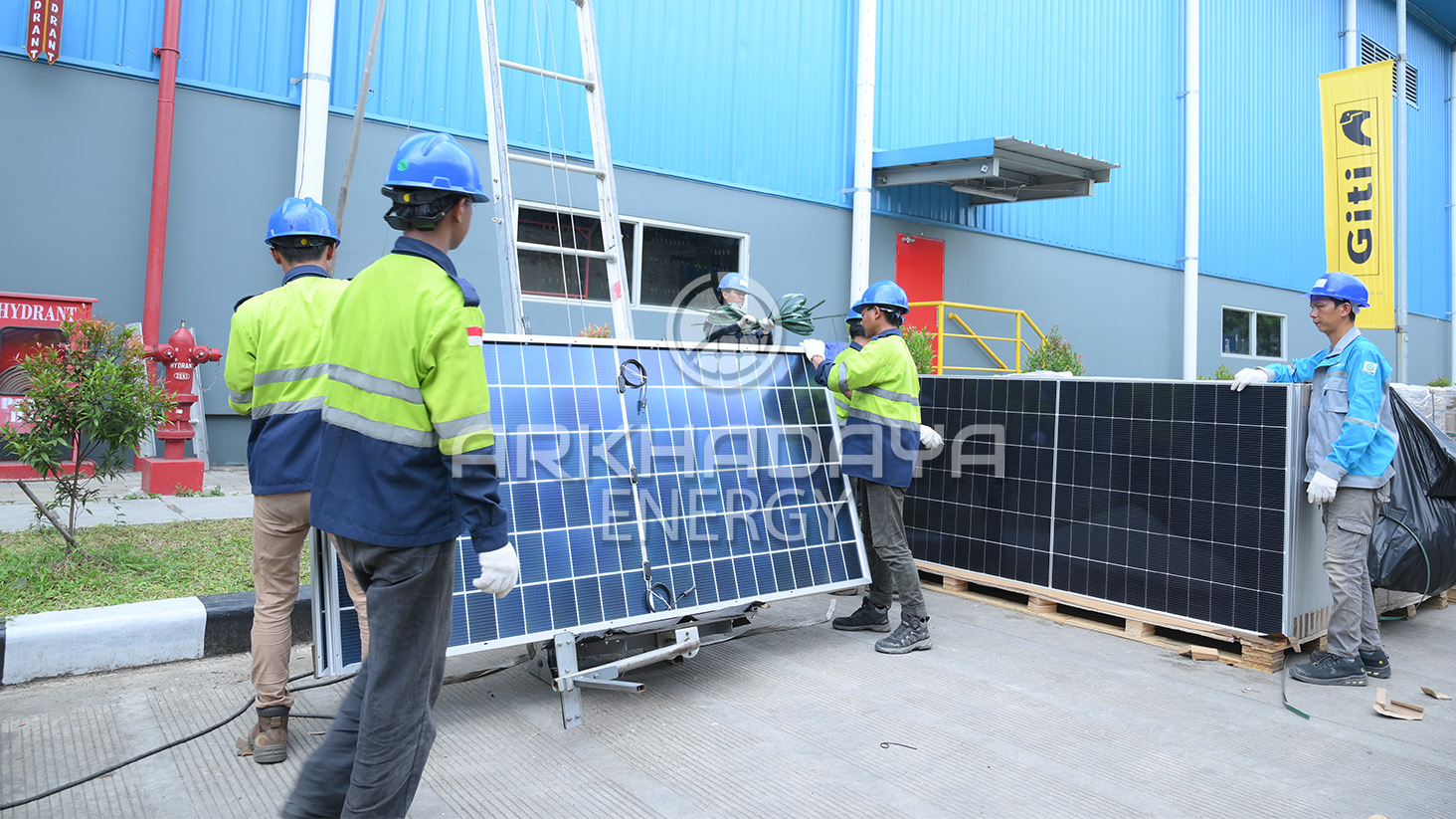
As the global shift toward clean energy accelerates, rooftop photovoltaic (PV) plants are becoming a game-changer in how businesses and homeowners power their operations. With energy costs rising and sustainability now a core business value, installing a Rooftop PV Plant is no longer just an environmental choice — it’s a smart financial move.
In this article, we’ll explore what a rooftop PV plant is, how it works, and why it’s rapidly becoming the cornerstone of modern energy management. You’ll also find answers to the most frequently asked questions about rooftop solar systems — plus key insights to help you decide if it’s right for your property.
What Is a Rooftop PV Plant?
A Rooftop PV (Photovoltaic) Plant is a solar power system installed on the roof of a building to generate electricity from sunlight. Unlike traditional power plants that rely on fossil fuels, a rooftop PV plant uses solar panels to convert solar energy into usable electricity for residential, commercial, or industrial use.
These systems typically include:
- Solar panels (modules): Capture sunlight and convert it into DC electricity.
- Inverter: Converts DC to AC electricity that can be used by electrical appliances.
- Mounting structure: Supports and positions panels for maximum sun exposure.
- Monitoring system: Tracks energy production and performance in real time.
- Grid connection: Allows excess energy to be exported to the utility grid or stored in batteries.
In essence, a rooftop PV plant transforms your unused roof space into a mini power plant — producing clean, renewable energy while reducing electricity bills and carbon emissions.
How Does a Rooftop PV Plant Work?
- Sunlight Absorption: Solar panels absorb sunlight using photovoltaic cells.
- Electric Conversion: The panels convert sunlight into direct current (DC) electricity.
- Inversion: An inverter converts DC into alternating current (AC) electricity.
- Usage or Export: The AC power is used directly within the building, stored in batteries, or exported to the grid through net metering.
Modern rooftop PV plants often come with smart inverters and AI-based monitoring that optimize performance, detect faults instantly, and improve system efficiency.
Why Rooftop PV Plants Are Growing So Fast
The global rooftop solar market is projected to surpass USD 150 billion by 2030, driven by advances in solar technology, declining costs, and government incentives. Here are 7 powerful reasons why more organizations are investing in rooftop PV plants:
- Massive Cost Savings: Reduce electricity bills by up to 70%.
- Quick Payback: Typical ROI achieved within 3–5 years.
- Energy Independence: Generate your own power and reduce reliance on the grid.
- Low Maintenance: Minimal upkeep with long-lasting performance (25+ years).
- Sustainability Goals: Cut CO₂ emissions significantly, supporting ESG commitments.
- Government Incentives: Enjoy tax benefits and subsidies that lower installation costs.
- Enhanced Property Value: Buildings with rooftop solar attract higher market valuations.
Frequently Asked Questions (FAQs)
1. What’s the difference between a rooftop PV plant and solar panels?
A Rooftop PV plant is a complete power-generating system that includes not only the panels but also inverters, wiring, mounting structures, and sometimes energy storage. Solar panels are just one component of the overall system.
2. How much electricity can a rooftop PV system generate?
On average, every 1 kWp of rooftop solar generates around 4–5 kWh of electricity per day, depending on sunlight conditions and installation quality. A typical commercial rooftop setup of 100 kWp can produce about 400–500 kWh daily.
3. Can I use solar power at night?
Solar panels generate electricity only during the day. However, by integrating battery storage, you can store excess energy produced during the day and use it at night or during power outages.
4. What are the maintenance requirements?
Rooftop PV systems are low-maintenance. Regular cleaning of panels (every 3–6 months) and periodic inspections of wiring and inverter performance are usually sufficient.
5. How long does a rooftop PV plant last?
Most solar panels come with a 25-year performance warranty, and inverters last about 10–15 years. Proper maintenance ensures consistent energy output for decades.
Key Insights for Business and Industrial Users
For commercial and industrial properties, energy costs can represent a significant operational expense. Implementing a Rooftop PV Plant can:
- Reduce peak demand charges.
- Provide stable energy pricing amid volatile electricity tariffs.
- Improve corporate sustainability credentials.
- Qualify the business for renewable energy certifications or carbon credits.
According to the International Renewable Energy Agency (IRENA), every 1 MW of rooftop solar can offset 1,000 tons of CO₂ emissions annually, making it one of the most impactful sustainability initiatives a company can undertake.
Challenges to Consider Before Installation
While rooftop PV systems offer numerous benefits, certain challenges need careful consideration:
- Structural strength: Roofs must be able to bear additional weight.
- Shading and orientation: Shaded or poorly oriented roofs may reduce energy yield.
- Regulatory compliance: Local authorities may require permits or design approvals.
- Initial investment: Though costs have dropped by over 80% since 2010, capital outlay still needs planning.
Working with a certified solar EPC (Engineering, Procurement, and Construction) company ensures compliance, performance, and long-term reliability.
The Future of Rooftop PV Plants
With the rise of smart grids, AI monitoring, and energy storage systems, the rooftop PV plant of the future will be more intelligent, efficient, and connected than ever before. Integration with EV charging stations and IoT-enabled building management systems will further maximize energy self-sufficiency.
Governments worldwide are also pushing for urban solarization. In many regions, net-metering policies now allow you to sell excess power back to the grid, transforming your rooftop into a revenue-generating asset.
Conclusion
A Rooftop PV Plant is more than just a renewable energy solution — it’s a strategic investment for cost efficiency, sustainability, and energy resilience. Whether you manage a business facility, industrial site, or residential complex, adopting rooftop solar can redefine how you consume and save energy.
Now is the time to leverage your roof space for something greater — profit, power, and planet.