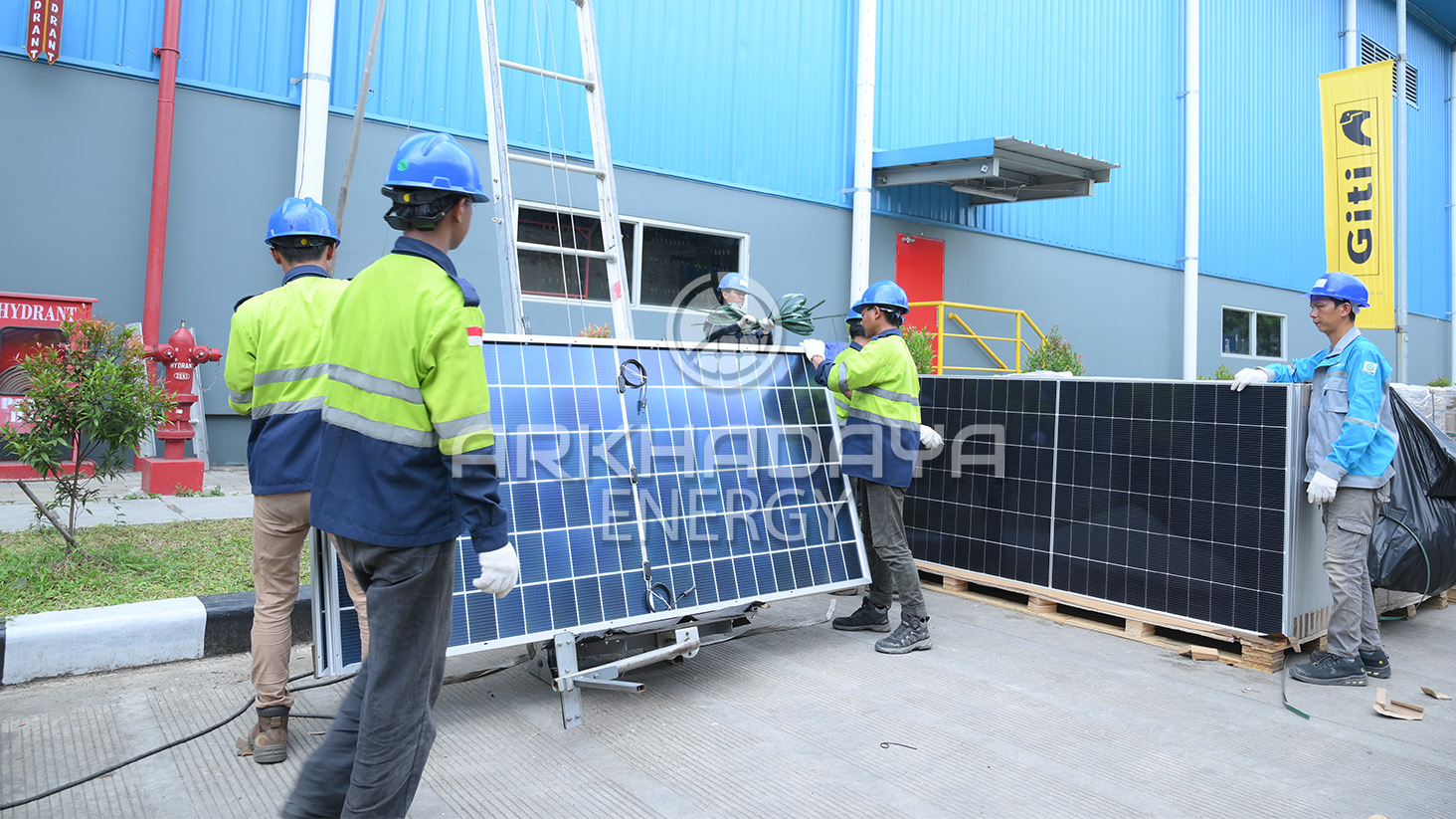
Solar panels are increasingly popular as an eco-friendly and cost-efficient source of renewable energy. These systems work by capturing sunlight and converting it into electricity. But what happens when the sky is cloudy and the sun is obscured? Can panels still produce power effectively?
This article explains how solar panels perform under cloudy conditions, the factors that influence their efficiency, and the technologies that help maintain consistent performance.
How Solar Panels Work
Solar panels generate electricity through the photovoltaic effect. The solar cells, made from semiconductor materials (commonly silicon), absorb sunlight. Photons striking the panel surface release electrons, creating an electrical current.
The energy produced is in the form of direct current (DC), which is then converted into alternating current (AC) by an inverter, making it usable for appliances or storage in batteries. Modern solar panel technology is designed to continue functioning even under low-light conditions, including cloudy weather.
Solar Panel Performance on Cloudy Days
Although sunlight intensity decreases when it’s cloudy, solar panels can still generate electricity thanks to diffused light—sunlight scattered in the atmosphere by dust, water vapor, and other particles.
Efficiency does drop slightly—typically by 10–25 percent compared to full sun conditions—but the exact reduction depends on the type of panel used. For example, monocrystalline panels generally perform better in low-light conditions than polycrystalline panels.
Factors Affecting Solar Efficiency in Cloudy Conditions
- Type of Solar Panel
- Monocrystalline: High efficiency, including under dim lighting.
- Polycrystalline: Performs well, though slightly less efficient than monocrystalline.
- Thin-Film: Suitable for low-light environments but produces lower total output.
- Tilt Angle and Orientation
The tilt of the panels significantly affects how much sunlight they capture. In Indonesia, the optimal angle is usually 10–15 degrees, oriented north or south to ensure even exposure throughout the day. - Environmental Conditions
Rain, fog, air pollution, and dust or dirt on the panel surface can reduce performance. Regular cleaning and periodic inspections are essential to maintain efficiency.
Technologies That Support Stable Performance
- Microinverters
These devices convert DC to AC directly at each panel. If one panel is shaded or dirty, the others continue to operate at full capacity, improving system reliability and overall output. - Energy Storage Batteries
Energy generated during the day—whether sunny or cloudy—can be stored for nighttime use. Modern lithium-ion batteries enhance system independence and reduce reliance on the main electrical grid.
Solar Power in Tropical Climates
Countries with frequent cloudy weather, such as Germany, have proven that solar power remains dependable when paired with energy storage and smart management systems. Indonesia, with abundant year-round sunlight, has an even greater advantage.
By combining monocrystalline panels, microinverters, and energy storage batteries, Indonesia’s solar systems can maintain strong performance—even during overcast conditions.
Conclusion
Solar panels continue to generate electricity during cloudy weather, though with slightly reduced efficiency. With the right panel selection, proper installation, and supportive technologies like microinverters and energy storage, solar systems can deliver reliable performance all year round.
As part of Syntek Group, Arkhadaya provides modern solar panel solutions with professional EPC and O&M services. We are ready to help you maximize the potential of solar energy in any weather, ensuring your investment remains efficient and sustainable.